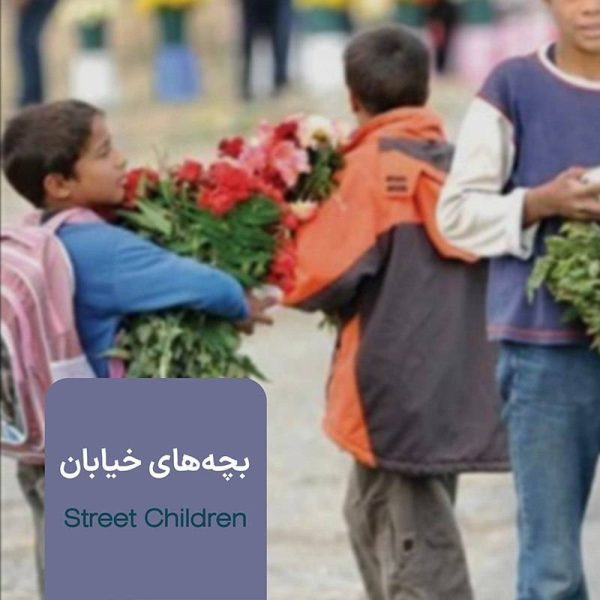
مستند رادیویی «بچههای خیابان» اثر خسرو رسولی، مستند صوتی عمیق و تأثیرگذار با محوریت معضل کودکان کار است که موفق شد در سال ۲۰۱۱ مدال طلای (Grand Prix) بیست و سومین دوره جایزه بینالمللی رادیویی URTI را در پاریس به خود اختصاص دهد. هیئت داوران این جشنواره معتبر جهانی، این مستند را به دلیل روایت قدرتمند، تکاندهنده و واقعگرایانهاش از زندگی قهرمانان کوچک خود ستودند. این اثر توانسته است با ترکیبی از نگاه معصومانه و گاه طنزآمیز این کودکان، واقعیت تلخ و دردناک زندگی آنها را به زیباترین شکل ممکن به تصویر بکشد.
“Street Children” is a deeply moving and powerful radio documentary produced by Khosro Rasooli that addresses the critical issue of child labor. This acclaimed documentary achieved global recognition by winning the prestigious Grand Prix (Gold Medal) at the 23rd URTI International Radio Grand Prix in Paris (2011). The international juries highly praised the program for its remarkable ability to depict a painful reality through the light, naive, and sometimes comic perspectives of its young protagonists

Bushehri Lullaby: A Melody as Old as Human Oral Memory“The lyrics belong to the mother, and the music belongs to the child.” This minimal, one-minute piece by Khosrow Rasouli is an authentic narrative of southern Iranian lullabies. Crafted with a vision to preserve oral culture, this work has been produced and mixed for upcoming international festivals.
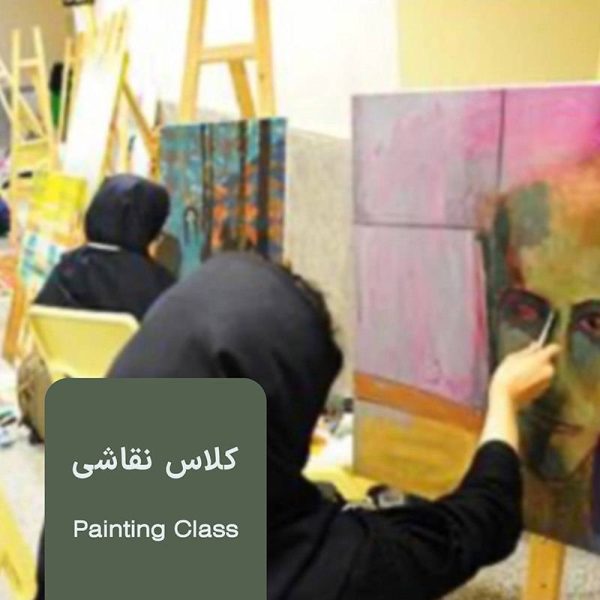
کافی است دستهایت را به بوم بسپاری تا ببینی برای کشیدن باران، نیازی به تماشای ابرها نیست.مستند «کلاس نقاشی» پنجرهای است رو به جهان پررمزورازِ جوانان نابینای زنجان؛ عزیزانی که هر هفته به همت و عشقِ بانوی هنرمند و صاحبسبک، استاد شهرزاد اصولی، گرد هم میآمدند تا خط بطلانی بکشند بر تمام باورهای کلیشهای دربارهٔ نابینایی. زنی از جنس هنر که ریشههایش در خاک زنجان بود و هر هفته، فرسنگها راه را میان تهران و زنجان طی میکرد تا الفبای رنگ را در تاریکیِ محض معنا کند.اما این برنامه، تنها روایتِ یک کلاس درس نیست؛ سفری است به ژرفای دنیایی سپید و آرام. دنیایی که در آن، برخلاف تصورات رایج ما، هیچ حسرتی برای دیدن این جهانِ پرهیاهو وجود ندارد. این مستند به ما نشان میدهد که چگونه این جوانان، خلوتِ پاک و اسرارآمیز خود را به شلوغیِ بیهودهٔ دنیای بینایان ترجیح میدهند. آنها با چشمِ دل میبینند، با نبضِ بوم نفس میکشند و به ما یادآور میشوند که زیباترین چشماندازها، آنهایی هستند که هرگز با چشمِ سر دیده نمیشوند.
“Crossing the Threshold of Darkness into the Realm of Colors”
You need only surrender your hands to the canvas to see that to paint the rain, one has no need to gaze upon the clouds.The documentary “The Painting Class” is a window opening into the mysterious and profound world of the blind youth of Zanjan. Every week, driven by love and devotion, they gathered around a master artist of unique style, Shahrzad Osouli, to draw a line of erasure through all the clichés surrounding blindness. A woman woven from the fabric of art, whose roots ran deep in the soil of Zanjan, she traversed the long leagues between Tehran and Zanjan week after week, to give meaning to the alphabet of color within pure darkness.Yet, this program is more than the mere chronicle of a classroom; it is a pilgrimage into the depths of a pristine, serene world. A world where, contrary to our common assumptions, there lives no longing to behold this tumultuous world. This documentary reveals how these youths prefer their pure, mystical solitude to the futile clamor of the seeing world. They see with the eyes of the heart, they breathe with the very pulse of the canvas, and they remind us that the most breathtaking landscapes are those that the physical eye can never behold
Credits
Narrator: Leila Khatibi
SoundRecordists: Morteza Kazemi, Farid Khatibi, and Jalal Nouri
Writer & Producer: Khosro Rasouli
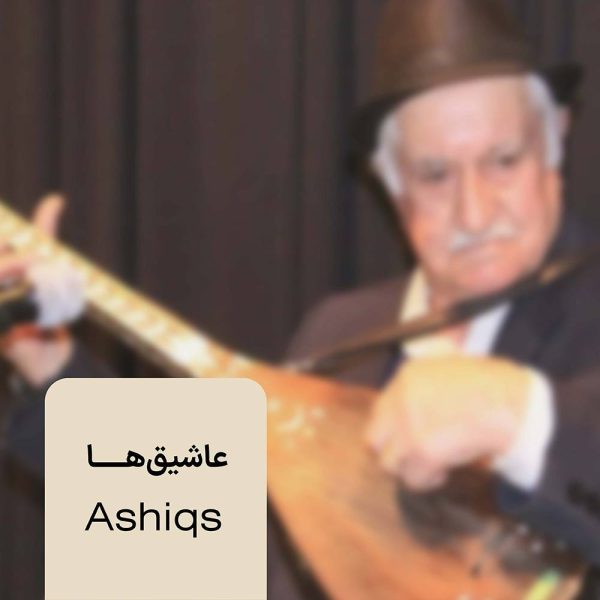
عاشیقها صرفاً نوازنده یا خواننده نیستند؛ آنها پاسداران بیدار فرهنگ، تاریخ و ادبیات شفاهی یک ملتاند. ریشه هنر عاشیقی در اعماق تاریخ و اساطیر کهن گره خورده است. عاشیق در طول قرنها، رسانه زنده جامعه خود بوده است؛ در روزگارانی که نه کتابی به سادگی چاپ میشد و نه رادیو و رسانهای وجود داشت، این سینه تفتیده و سیمِ سازِ عاشیق بود که داستانها، حماسهها، رنجها و شادیهای مردم را سینه به سینه نقل میکرد و از گزند فراموشی نجات میداد.در زندگی اجتماعی، عاشیقها همواره جایگاهی فراتر از یک هنرمند داشتهاند؛ آنها مصلحان اجتماعی، ریشسپیدان دانا و سنگصبور تودهها بودهاند. از مجالس شادی و عروسی گرفته تا روزهای سخت مبارزه و دلتنگی، ساز عاشیق همنفس مردم بوده است. آنها با روایت منظومههای حماسی مثل «کوراوغلو» روح ایستادگی را زنده نگه میداشتند و با داستانهای عاشقانه و عارفانه، اخلاق، حکمت و عشق را در جان جامعه تزریق میکردند. فعالیت فرهنگی آنها، عملاً یک جریان مداوم برای حفظ هویت زبانی و قومی در برابر تندباد زمانه بوده است.مستند عاشیقها، سفری است شنیداری به دنیای پر از حکمت و شور خنیاگرانی که میکروفون ما تلاش کرده تا طنینِ رو به زوالِ برخی از نغمات و روایتهایشان را ثبت و ماندگار کند. متاسفانه عاشیقهایی که در این برنامه صدایشان را می شنوید برخی دیگر میان ما نیستند، بزرگانی همچون عاشیق مسلم عسگری و عاشیق یوسف اوهانس. دعوت میکنم در رادیو ماه، شنونده این روایت و اصالت جاری در آن باشید.
گویندگان: علی اکبر اوصانلو و لیلا شاهمرادی
The Ashiqs are not merely musicians or singers; they are the vigilant guardians of a nation’s culture, history, and oral literature. The roots of the Ashiqi art are deeply intertwined with the depths of history and ancient mythology. Throughout the centuries, the Ashiq has served as the living transmitter of their society. In eras when books were not easily printed and neither radio nor media existed, it was the burning chest and the vibrating strings of the Ashiq’s saz that passed down stories, epics, sorrows, and joys from generation to generation, rescuing them from the abyss of forgetfulness.In social life, Ashiqs have always held a status far beyond that of a mere artist; they have been social reformers, wise elders, and the confidants of the masses. From celebrations and weddings to the hardships of struggle and longing, the Ashiq’s saz has breathed in unison with the people. By reciting epic poems like “Koroghlu”, they kept the spirit of resistance alive, and through romantic and mystical tales, they infused the soul of society with morality, wisdom, and love. Their cultural practice has essentially been a continuous movement to preserve linguistic and ethnic identity against the tempest of time.The documentary “The Ashiqs” is an auditory pilgrimage into a world brimming with the wisdom and passion of these bards—a world where our microphone has strived to capture and immortalize the fading echoes of their melodies and narratives. Tragically, some of the master Ashiqs whose voices you hear in this program are no longer among us, including icons such as Ashiq Moslem Asgari and Ashiq Yusef Ohanes. I invite you to tune into Radio Mah and listen to this narrative and the fluid authenticity that flows within it.
Credits:
Sound Recordists: Jalal Nouri
Writer and Producer: Khosrow Rasouli
Year of Production: 2015